Water shouldn't be spreading across your living room floor, but there it is—creeping toward your couch, darkening the carpet, pooling around the baseboards. A pipe burst in the ceiling. Or maybe the unit upstairs left their bathtub running. Perhaps last night's storm found every weak spot in your building's roof. However it started, you're now facing a mess that raises immediate worries: Is this safe? Who fixes it? What about my stuff?
Your rights and your landlord's duties in this situation aren't negotiable or dependent on what your lease says. Housing laws set minimum standards that override lease terms when water starts damaging your home.
Immediate Steps to Take After a Flooded Apartment
The clock starts ticking the moment you spot water where it shouldn't be. What you do in the next sixty minutes shapes everything that follows—insurance outcomes, legal disputes, repair timelines.
Document All Water Damage
Pull out your phone first. Don't grab towels, don't start moving furniture—record what you're seeing. Shoot video while walking through each affected room, narrating what you observe. "This is the hallway at 3:15 PM on March 10th. Water's coming from the ceiling near the bathroom. It's reached the bedroom doorway."
After video, switch to photos. Capture wide shots showing the overall scene, then zoom in on specific damage. Get images of water lines left on walls, carpets that have changed color from saturation, furniture sitting in puddles, and any obvious source you can identify. Your phone probably adds dates and times automatically, but double-check your camera settings to confirm.
Now write everything down. Open your notes app and list each damaged item—that bookshelf you assembled last year, the area rug from your old apartment, your desk, your bedframe, your clothes in the bottom dresser drawer. Include what you paid and roughly when you bought it. That $400 coffee table from three years back matters. So do the $80 curtains and the $200 bedding set. Water ruins more than people expect in the first few hours.
If you can safely access water meters or shut-off valves, photograph them and note the readings with timestamps. This baseline data helps later when someone needs to determine how much water flooded in and where it originated.
Author: Daniel Crosswell;
Source: redmonpestmgt.com
Notify Your Landlord in Writing
Yes, call immediately. Flooding counts as an emergency—phone calls make sense for urgent situations. But here's what trips people up: a phone call alone won't protect you later.
Send written notice within twenty-four hours maximum. Email and text both work. You need proof you reported this and when you did it, because landlords sometimes claim they weren't told promptly or didn't understand the severity.
Write something like this:
"At approximately 2:30 PM today (March 10, 2024), I discovered significant flooding in my apartment (Unit 4B). Water is entering through the ceiling in the bathroom and has spread to the bedroom and hallway—roughly 200 square feet affected. The ceiling shows visible water damage and sagging. I've shut off power to the bathroom. This requires immediate emergency repair. Please contact me at this number to arrange access: [your number]."
Save copies everywhere. Forward your email to a personal account. Screenshot texts showing delivery confirmation. You're building a paper trail that starts the legal clock on repair deadlines.
Most states give landlords 24 to 48 hours to respond to emergencies involving active water intrusion. Your documented notice establishes when that countdown began, which becomes crucial if repairs drag on and you need to pursue legal remedies.
Protect Your Health and Safety
Electricity plus water equals danger. If water has reached outlets, light switches, appliances, or your electrical panel, flip the breaker for affected rooms. When standing water covers the floor where you'd need to walk to reach your breaker box, stop. Call your power company or fire department instead—they have equipment and training for this.
Relocate undamaged items to dry areas, but don't throw out anything damaged yet. Insurance adjusters require physical evidence. If you must dispose of something hazardous (like electronics that got soaked), photograph it in place first, then photograph it again showing why removal was necessary.
Water sitting in your apartment for more than a few hours starts growing bacteria. Floodwater from outside sources or sewage backups poses serious contamination risks. Don't walk through it barefoot or in regular shoes. Waterproof boots, and wash your feet and legs thoroughly if contact occurs.
Watch for these danger signals that mean you need to leave now:
Ceiling sections bowing downward under water weight
Cracks spreading across walls or floors
Smell of natural gas
Electrical fixtures sparking, smoking, or flickering
Water level still rising without obvious way to stop it
Your lease can't force you to stay somewhere unsafe. If conditions threaten your immediate safety, move to a hotel and keep every receipt. Many jurisdictions require landlords to reimburse reasonable temporary housing expenses when emergency repairs make units temporarily uninhabitable.
Landlord Responsibilities for Flood Damage and Repairs
Property owners can't wave off water damage and expect you to handle it. State housing codes impose specific repair duties that override whatever your lease says—even if your lease explicitly tries to limit landlord liability.
Every state recognizes something called the implied warranty of habitability. This fundamental requirement means your landlord must keep your rental unit livable: weatherproof structure, working plumbing, no water intrusion that damages the apartment or creates health hazards. Flooded units violate this warranty in virtually every case.
Determining who bears financial accountability for flood damage splits into two questions. First: who must pay for repairs to the apartment itself? Answer: the landlord, regardless of cause. Second: who compensates you for damaged belongings? Answer: depends on how the flooding happened.
When flooding stems from deferred maintenance—aging pipes that should have been replaced, a deteriorating roof, clogged drains the landlord ignored—property owners carry clear responsibility for tenant property losses too. When external events cause flooding (severe storms, municipal water main breaks), landlords still must restore your apartment to livable condition but may not owe you money for your damaged couch and laptop.
This distinction affects compensation claims but doesn't change repair obligations one bit. Cause doesn't matter for habitability. Your landlord must:
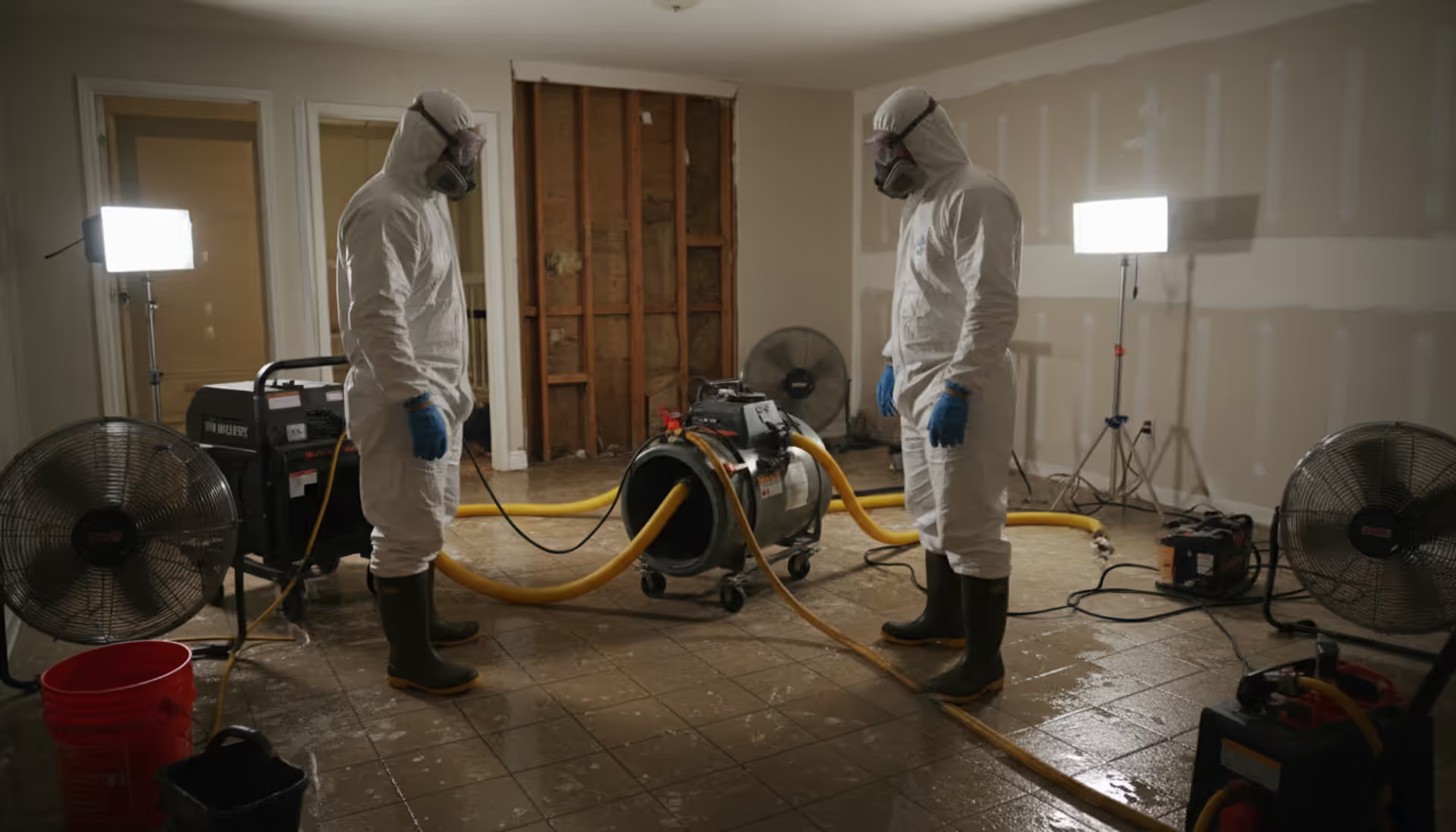
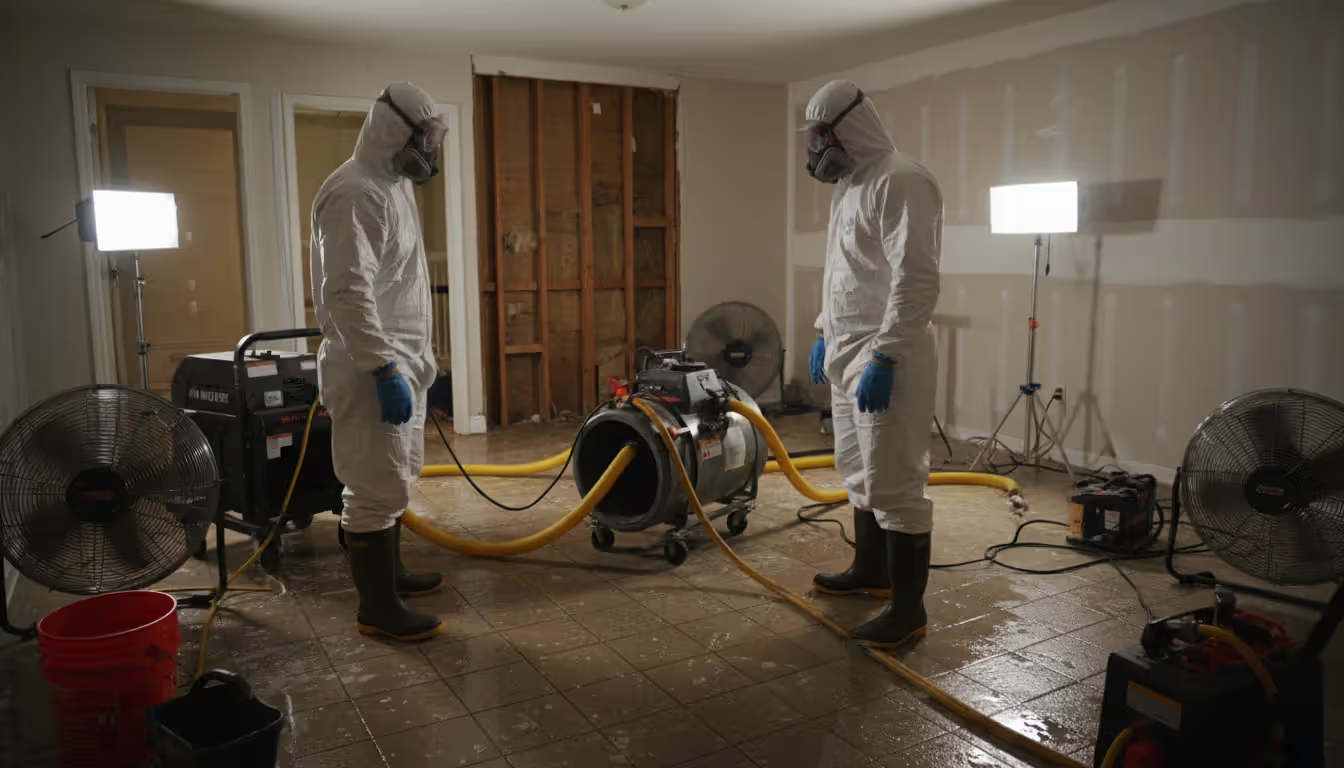
Extract standing water using proper equipment
Dry all affected structural elements and materials
Replace or repair damaged flooring, drywall, cabinets, and fixtures
Test for and remediate any mold growth
Fix whatever caused the water intrusion so it doesn't happen again
Landlords who drag their feet on flood repairs, hoping the tenant will either tolerate it or just move out, are making a serious miscalculation. Most states give tenants multiple powerful remedies when habitability violations persist—rent reductions, repair-and-deduct options, even unilateral lease termination. The longer a landlord stalls, the stronger the tenant's legal position grows and the more remedies become available
— Michael Chen
Timeline Requirements for Flood Repairs
So what's "reasonable" for repair timelines? How long can your landlord take before you have grounds to escalate?
Active flooding or fresh water damage falls under emergency categories in most jurisdictions. Landlords must respond within 24 to 72 hours—and "respond" means taking real action, not just acknowledging your email. Water extraction equipment should arrive. Dehumidifiers should start running. Someone should identify and address the source within this initial window.
Finishing all repairs takes longer, obviously. Minor flooding affecting one room might reasonably get completed in a week. More extensive damage requiring drywall replacement, flooring work, and contractor scheduling might take 30 days. But work must progress steadily—you shouldn't see zero activity for weeks at a time.
Delays stretching past 30 days without substantial completion often trigger additional tenant rights like rent withholding or constructive eviction claims, unless your landlord documents legitimate obstacles. Permit delays for major structural work, supply chain problems for specific materials, or scheduling challenges with licensed specialists might justify extensions. "I've been busy" or "I'm waiting to see if it dries on its own" don't qualify.
Several states write specific deadlines into their landlord-tenant statutes:
State
Repair Timeline Required
Rent Withholding Allowed
Notice Requirements
California
Immediate response to emergencies; 30 days for standard repairs
Yes, following proper notice procedures
Must provide written notice; 30 days for non-emergency issues
New York
Timeframe varies by severity; typically 14-30 days considered reasonable
Yes, but through court-supervised escrow process
Written notice required; certified mail strongly recommended
Texas
7 days following written notice for most repair needs
Yes, after meeting notice and waiting period requirements
Written notice mandatory; state provides statutory notice form
Florida
Emergencies require immediate action; 7 days after notice for others
Yes, though subject to specific restrictions
Written notice required; must allow reasonable repair opportunity
Illinois
14 days after written notice delivery
Yes, under particular conditions outlined in statute
Written notice required; certified mail or hand delivery preferred
Washington
10 days for standard repairs; immediate for emergencies
Yes, after proper notice to landlord
Written notice required; state recommends specific format
These represent general state rules. Your city or county might impose stricter timelines, particularly in areas with strong tenant protection ordinances.
When Landlords Fail to Act
Landlords who ignore flooding problems leave you with several potential remedies. Each carries specific procedural requirements, and choosing the wrong approach or implementing it incorrectly can backfire—potentially leading to eviction for non-payment or lease violations.
Repair-and-deduct lets you hire contractors yourself for emergency repairs, then subtract the cost from your next rent payment. Most states cap this remedy at one or two months' rent and require you to first give written notice allowing the landlord a reasonable chance to handle repairs themselves. Maintain detailed receipts and hire only licensed, insured contractors—your landlord can challenge your deduction if costs seem unreasonable or work quality appears substandard.
Reporting violations to local housing inspectors creates an official governmental record and may trigger mandatory correction orders. Code enforcement officers can issue citations, levy fines, or in extreme cases condemn properties with serious violations. This route works well when landlords brush off direct tenant requests, though it carries some retaliation risk in certain situations.
Terminating your lease through constructive eviction requires proving the unit became genuinely unlivable and your landlord failed to fix it despite proper notice. Courts examine these claims skeptically. You'll need solid documentation showing you notified the landlord in writing, waited a reasonable period for repairs, and that conditions truly prevented normal residential use—not just inconvenience.
Tenant Rights When Living in a Flooded Unit
The law doesn't require you to pay full rent for a damaged apartment or tolerate unhealthy conditions while weeks pass without repairs. Several legal protections exist, though asserting them correctly matters enormously to avoid accidentally violating your lease.
Habitability standards establish the foundation of tenant rights. These minimum requirements exist across all states, mandating that rental units must offer:
Adequate protection from weather and water intrusion
Functional plumbing systems without leaks
Sound structural integrity
Absence of health hazards including mold
Operational heating, electrical, and sanitation systems
Apartment flooding typically violates multiple habitability standards simultaneously. Water damage commonly affects electrical safety, creates mold risks, and compromises structural soundness. When your unit drops below habitability standards, you're not legally obligated to keep paying full rent for substandard housing.
Rent abatement—reducing your rent payment proportionally to match reduced usability—becomes available when flooding makes parts of your apartment unusable. Say water damage left your bedroom uninhabitable but your living room and kitchen remain dry and functional. You might justify reducing rent by 30-40% until repairs finish. Calculate this based on square footage affected and essential functions lost.
Take dated photos of unusable areas every week. If your landlord accepts reduced rent without objection, keep careful records showing the amount paid and your stated reason. Some landlords agree to informal rent reductions avoiding formal disputes, then later claim you simply failed to pay the full amount owed.
Temporary relocation rights kick in when flooding renders your entire unit unlivable. Landlords must either:
Supply comparable temporary housing at their expense
Reimburse your reasonable hotel costs
Allow you to terminate your lease without penalties
Reduce rent to zero until the unit becomes habitable again
You can't check into a luxury hotel and send the bill to your landlord. "Reasonable" means comparable to your current apartment's quality and location. If you're renting a studio, you can't justify a two-room suite at a four-star hotel. But if you're in a two-bedroom apartment, you shouldn't have to accept a single motel room.
Housing code violations trigger additional protective measures. Municipal codes typically address water damage, mold problems, and sanitation issues with explicit language. Violations provide grounds to:
Request official inspections from city housing departments
Force repairs through code enforcement mechanisms
Withhold rent in jurisdictions permitting it for code violations
Terminate your lease in severe violation cases
Some cities maintain public databases of housing code violations searchable by address. If your landlord has accumulated violation history, this strengthens your position and might indicate a pattern of negligence relevant to any legal claims you pursue.
Author: Daniel Crosswell;
Source: redmonpestmgt.com
Water Damage Compensation and Insurance Claims
Who covers the cost when your possessions get ruined? The answer frustrates most tenants: typically you do, unless you can demonstrate landlord negligence or you're carrying renters insurance.
What Renters Insurance Covers
Standard renters insurance policies cover your personal property damaged by water from internal building sources—burst pipes, malfunctioning appliances, overflows from neighboring units. Typical policies include:
Personal property replacement (either actual cash value or replacement cost, depending on the coverage level you selected)
Additional living expenses if flooding forces you to temporarily relocate
Liability protection if you accidentally caused water damage that affected neighbors or common areas
Read your policy's water damage sections carefully. Most renters insurance excludes flooding from external sources—storms, rising groundwater, overflowing rivers, municipal water system failures. That type of flooding requires separate flood insurance, which most renters never purchase because they assume their landlord's policy covers them.
It doesn't. Your landlord's property insurance protects the building structure and their owned equipment, not your belongings. Even when landlord negligence caused the flooding, their insurance company will almost certainly deny your claim, forcing you to sue the landlord personally to recover losses.
File claims quickly. Most policies require notification within days of discovering damage. Delayed reporting can trigger claim denials. Provide all that documented evidence—the photos and inventories you created on day one become essential at this stage.
Landlord Liability for Tenant Property Damage
Landlords don't automatically owe you money for property losses, even when flooding resulted from building defects. You must prove negligence: the landlord knew or should have known about a problem and failed to address it, which directly caused your damages.
Clear negligence examples include:
Ignoring your repeated maintenance requests about slow leaks that eventually burst into major flooding
Failing to maintain aging plumbing systems that predictably failed
Neglecting necessary roof repairs despite obvious deterioration and prior leaks
Skipping required inspections and maintenance of water heaters or other equipment
Collecting compensation means either negotiating a settlement or filing a lawsuit. Start with a formal demand letter that details:
The flooding incident—when it occurred, what caused it
Specific evidence demonstrating landlord negligence
Itemized list of each damaged item with values documented
Total compensation amount you're requesting
Reasonable deadline for response (30 days is standard)
Many landlords settle reasonable claims rather than face litigation costs and potential negative publicity. If yours refuses, small claims court handles property damage cases up to $5,000-$10,000 depending on your state's limits. Larger claims require regular civil court and probably an attorney.
Subrogation adds a complication when you carry renters insurance. After your insurer pays your claim, they may pursue your landlord for reimbursement. This process happens separately from your involvement—you receive your payment regardless—but it can affect whether the landlord's insurance rates increase or they face legal action.
Author: Daniel Crosswell;
Source: redmonpestmgt.com
Mold Risks and Legal Protections After Apartment Flooding
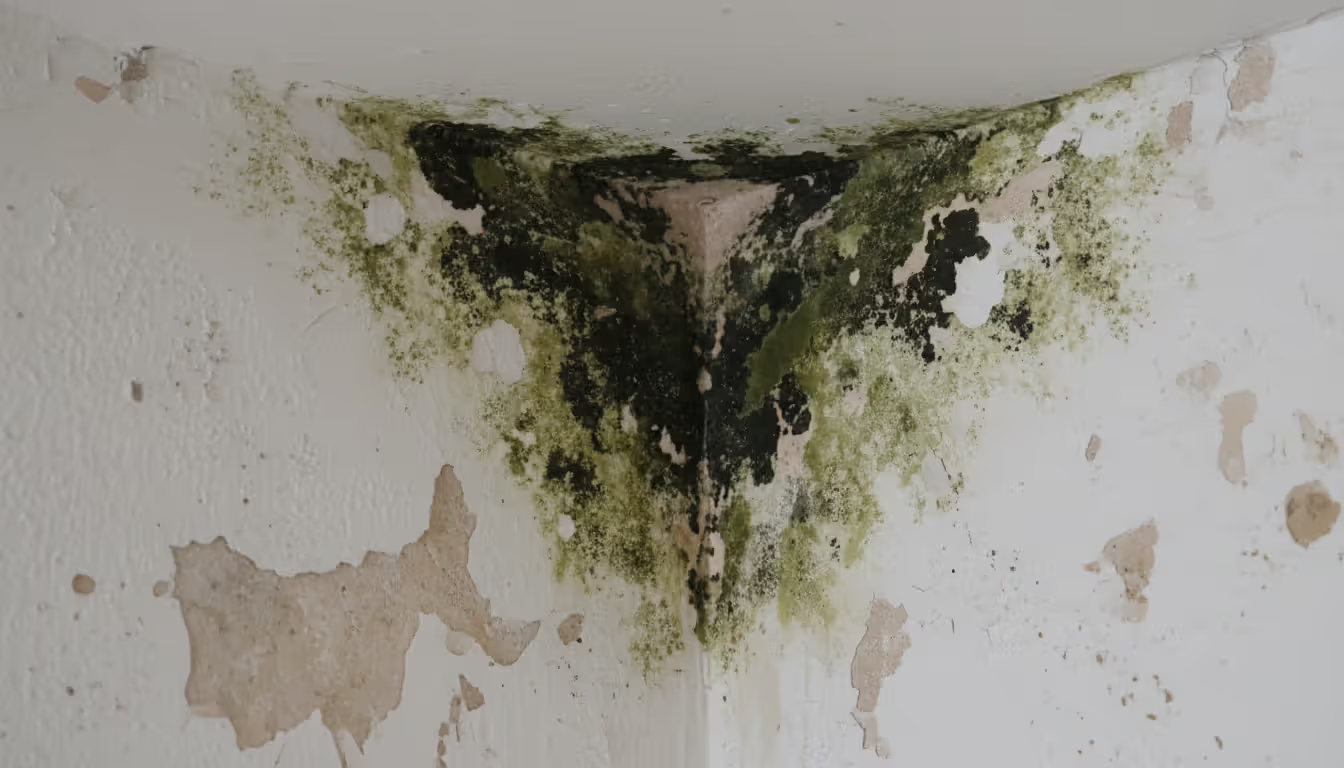
Mold spores begin colonizing within 24 to 48 hours wherever water sits. That small dark spot near the baseboard might look harmless now, but it can develop into a genuine health hazard affecting respiratory function, triggering allergic reactions, and in extreme cases causing neurological symptoms.
Landlords must address mold growth resulting from water damage. This isn't a cosmetic preference or optional—mold remediation constitutes a habitability requirement in most jurisdictions. Simply painting over visible mold or spraying surface areas with bleach doesn't fulfill this obligation. Proper remediation involves:
Locating and fixing the moisture source causing mold growth
Removing contaminated materials completely (drywall, insulation, carpeting that can't be fully dried and cleaned)
Applying appropriate antimicrobial treatments to affected structural areas
Using HEPA filtration systems during cleanup to prevent spore dispersal
Conducting air quality testing in severe cases to verify successful remediation
When mold from apartment flooding appears, your rights include demanding professional remediation rather than accepting DIY landlord attempts. EPA guidelines recommend professional remediation when mold covers areas larger than 10 square feet. Smaller patches might reasonably be addressed by landlords following proper protocols, but tenants can justifiably insist on professional service for any visible mold growth affecting habitability.
Document mold discoveries the moment you spot them. Photograph growth patterns from multiple angles, note exact locations, and record any health symptoms you or household members experience. If several people in your apartment develop respiratory problems, headaches, or allergic symptoms after the flooding, document the timeline and specific symptoms. This medical evidence supports habitability violation claims and potential personal injury cases.
Request professional mold testing when you suspect hidden growth. Persistent musty odors, ongoing humidity problems, or health symptoms without visible mold may indicate contamination inside walls or beneath flooring. Professional inspectors use moisture meters, infrared cameras, and air sampling to detect hidden problems. While landlords often resist paying for testing, you can hire inspectors independently and potentially recover costs if results reveal significant contamination requiring landlord action.
Several states enacted specific mold disclosure and remediation statutes. Texas, California, and some others require landlords to promptly address mold issues and inform tenants about potential health risks. Even without mold-specific laws, general habitability statutes cover mold resulting from landlord maintenance failures.
Never ignore mold hoping it resolves itself or stays contained. Colonies expand rapidly once established, and health effects intensify with prolonged exposure. If your landlord dismisses mold concerns or delays remediation, consider:
Filing formal complaints with your county or city health department
Requesting inspection by municipal housing code enforcement
Consulting with tenant rights attorneys regarding rent withholding or lease termination options
Documenting health impacts through medical appointments and keeping records of doctor visits and diagnoses
Author: Daniel Crosswell;
Source: redmonpestmgt.com
When You Can Withhold Rent or Break Your Lease
Withholding rent after flooding requires following exact legal procedures specific to your state. Simply stopping payment without proper process risks eviction for non-payment, even when you have completely legitimate complaints about apartment conditions.
Most states permitting rent withholding require:
Written notice to your landlord describing problems in detail and requesting repairs
Reasonable time period for your landlord to respond (often 14 to 30 days unless emergency repairs)
Continued failure to complete necessary repairs after the notice period expires
Depositing withheld rent into an escrow account (required in some jurisdictions) rather than spending it
Proportional withholding matching the severity (partial versus full rent reduction)
State laws governing water leaks and flood damage in apartments determine whether you're allowed to withhold rent and under what specific conditions. Some states prohibit rent withholding entirely, instead offering alternative remedies like repair-and-deduct or lease termination.
State-Specific Laws on Rent Withholding
California permits rent withholding after proper notice when landlords fail addressing habitability violations. Tenants must deposit withheld rent into escrow and can only withhold amounts proportional to the reduced habitability. Courts determine exact percentages if landlord-tenant disputes arise.
New York requires court involvement for rent withholding processes. Tenants file an HP (Housing Part) action, and judges may order rent payments into court escrow pending repair completion. This system protects tenants from eviction while ensuring landlords eventually receive payment once they fulfill repair obligations.
Texas allows rent withholding through a detailed statutory process requiring written notice, reasonable repair opportunity, and following specific procedural steps exactly. Tenants who skip any procedural steps risk eviction despite having legitimate maintenance complaints.
Several states—including Georgia, Arkansas, and others—don't recognize any tenant rent withholding rights. Tenants in these jurisdictions must pursue alternative remedies: repair-and-deduct options, code enforcement complaints, or lease termination based on uninhabitability.
Research your specific state's requirements thoroughly before withholding any rent. Tenant rights organizations and legal aid offices provide state-specific guidance. Many offer template letters and detailed step-by-step instructions for proper notice procedures.
Constructive Eviction and Uninhabitable Conditions
Constructive eviction occurs when apartment conditions deteriorate so severely that remaining becomes unreasonable, effectively forcing you to leave. This legal concept allows lease termination without penalty when landlords fail maintaining habitable conditions.
Serious habitability violations (extensive flooding, hazardous mold, major structural damage)
Landlord knowledge of these problems through your notices
Failure to remedy problems despite reasonable notice and time to repair
Conditions so severe that continued occupancy genuinely becomes unreasonable
You actually vacated the property because of these conditions
Courts apply strict standards here. Minor inconveniences don't qualify. But extensive water damage creating mold growth, electrical hazards, and structural concerns typically meets the threshold for uninhabitability.
Timing becomes critically important. You must vacate within a reasonable period after conditions become unbearable—usually within weeks, not months. Continuing to pay rent and live in the unit for extended periods suggests conditions weren't truly uninhabitable by legal standards.
Before asserting constructive eviction, consult an attorney. This remedy requires you to move out, potentially leaving you without housing if a court later disagrees with your uninhabitability assessment. The safer approach involves requesting formal lease termination in writing, citing specific uninhabitable conditions with documentation and offering to vacate by a specific date.
Many landlords agree to mutual lease termination when units require extensive repairs. This route avoids legal battles and allows both parties moving forward cleanly. Negotiate return of your full security deposit and any prepaid rent as part of the termination agreement.
Frequently Asked Questions
How long does a landlord have to fix water damage in an apartment?
Emergency water situations require immediate landlord response—typically 24 to 72 hours to stop active flooding and start water extraction. Complete repairs must happen within a reasonable timeframe, usually 7 to 30 days depending on damage severity and your state's laws. Extensive damage requiring contractor scheduling might justify longer periods if your landlord demonstrates consistent progress. Delays beyond 30 days without substantial completion generally give tenants grounds for alternative remedies like rent withholding or lease termination.
Can I withhold rent if my apartment is flooded?
Whether you're allowed to withhold rent depends entirely on your state's laws and whether you follow proper procedures. Most states permitting rent withholding require written notice to your landlord, reasonable repair time (often 14 to 30 days), and continued failure addressing the problem. Some jurisdictions require depositing withheld rent into escrow rather than spending it on other things. A few states don't permit rent withholding at all, instead offering different remedies. Never withhold rent without researching your state's specific requirements and following them precisely—improper withholding can result in eviction.
Is my landlord responsible for my damaged belongings after a flood?
Your landlord owes you compensation for property damage only if their negligence caused the flooding. Examples include ignoring repeated maintenance requests, failing to repair known leaks, or neglecting building systems. Even then, you must prove the landlord knew or reasonably should have known about the problem. Renters insurance typically provides primary coverage for your belongings. Without insurance and when you can prove landlord negligence, you can pursue compensation through demand letters, negotiation, or small claims court.
What qualifies as uninhabitable conditions after apartment flooding?
Uninhabitable conditions include extensive water damage creating genuine health or safety hazards: ongoing flooding, widespread mold covering walls, electrical hazards from water exposure, structural damage showing cracks or sagging, or loss of essential services like functioning plumbing or heating. Minor water staining or small affected areas that don't significantly impact daily living typically don't meet uninhabitability thresholds. The key legal question asks whether a reasonable person could safely and comfortably live in the unit. Conditions preventing normal residential activities—sleeping safely, cooking, bathing—generally qualify as uninhabitable.
Can I break my lease if my apartment has mold from flooding?
You can terminate your lease without penalty if mold creates uninhabitable conditions and your landlord fails remediating it after proper notice and reasonable repair time. Extensive mold growth affecting indoor air quality, causing household health symptoms, or covering large surface areas typically qualifies as uninhabitable. Small patches of surface mold that landlords promptly address usually don't justify lease termination. Follow your state's procedures for constructive eviction or request mutual lease termination in writing. Document mold extent, health impacts, and landlord inaction thoroughly before vacating.
Do I need renters insurance to get compensated for flood damage?
Renters insurance isn't legally required but offers the most reliable path to compensation for damaged belongings. Without it, you must prove landlord negligence and pursue compensation directly from your landlord—a difficult, time-consuming process often requiring litigation. Your landlord's property insurance protects the building structure, not your possessions. Standard renters policies cover water damage from internal sources (burst pipes, appliance leaks) but exclude external flooding, which requires separate flood insurance. Given renters insurance costs (typically $15 to $30 monthly), carrying coverage makes strong financial sense.
Apartment flooding creates immediate crises demanding fast action and meticulous documentation. Your first priorities—ensuring safety, preserving evidence, and notifying your landlord—shape how smoothly everything else unfolds. Understanding your landlord's legal obligations and your own rights prevents accepting substandard conditions or shouldering unnecessary financial losses.
Most flooding situations resolve through communication and landlords fulfilling their repair duties. When that doesn't happen, knowing your state's specific procedures for rent withholding, repair-and-deduct remedies, or lease termination gives you leverage to compel appropriate action. Document everything meticulously, follow legal requirements precisely, and don't hesitate seeking help from tenant rights organizations or attorneys when landlords ignore serious problems.
Combining proper insurance coverage with solid knowledge of your legal protections provides your best defense against flooding's financial and health impacts. While you can't prevent every pipe burst or roof leak, you can ensure you're not left managing the consequences alone or at your own expense when landlord responsibility clearly applies.
Property taxes in land contracts confuse many buyers and sellers. While contracts typically assign responsibility to buyers, sellers remain legally liable until the deed transfers. Understanding this split obligation and the consequences of unpaid taxes is critical for protecting your investment
A sublease agreement creates a legal bridge between your existing lease obligations and someone else's temporary housing needs. Understanding the three-party relationship, securing landlord approval, and drafting comprehensive agreements protects your security deposit and rental history
A residential lease agreement creates legally binding obligations for both tenants and landlords. This comprehensive guide explains standard lease clauses, rights and responsibilities, security deposit rules, renewal processes, subletting options, and how to break a lease legally while avoiding costly mistakes
Persistent noise, odors, or encroachment from neighbors can cross the line into legal nuisance. Understand what qualifies as actionable nuisance under US law, the difference between private and public nuisance, and the legal steps to resolve disputes—from documentation to court remedies
The content on this website is provided for general informational and educational purposes only. It is intended to explain concepts related to real estate law, property rights, leases, liens, zoning, landlord-tenant disputes, and litigation.
All information on this website, including articles, guides, and examples, is presented for general educational purposes. Legal outcomes may vary depending on jurisdiction, property type, and individual circumstances.
This website does not provide legal advice, and the information presented should not be used as a substitute for consultation with qualified attorneys or real estate professionals.
The website and its authors are not responsible for any errors or omissions, or for any outcomes resulting from decisions made based on the information provided on this website.